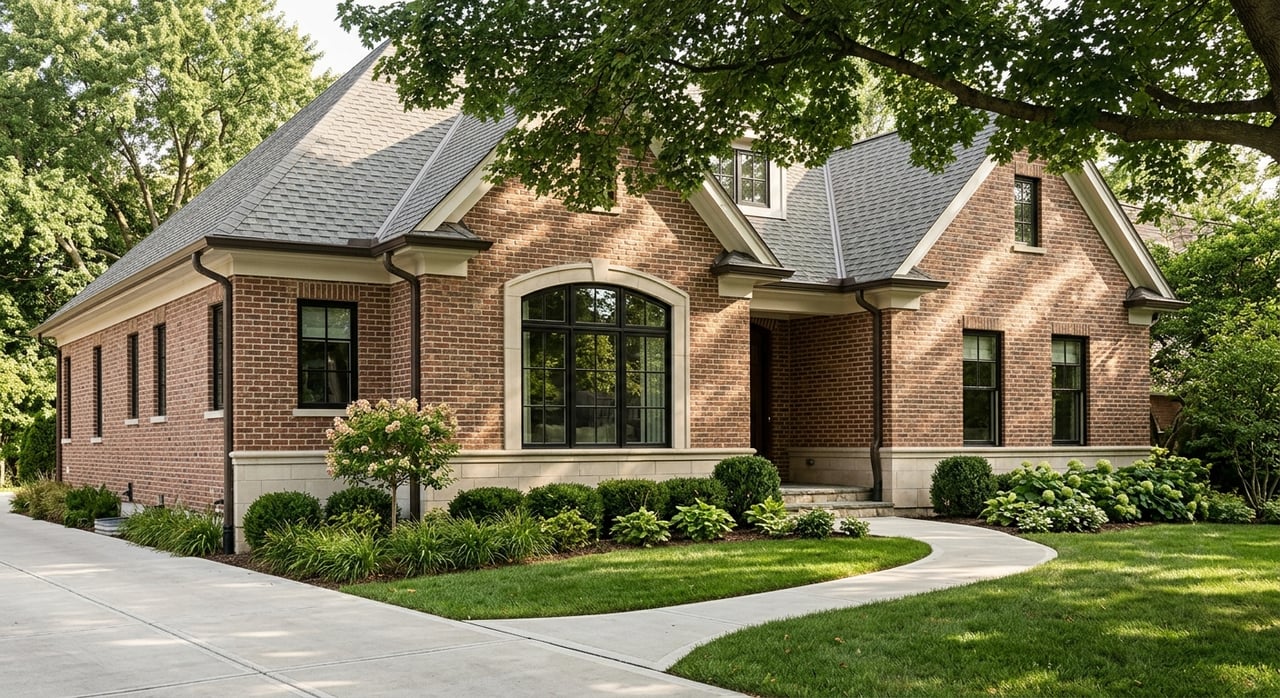
Trying to choose between new construction and resale in Plano? You are not alone, and in this market, the answer is not as simple as picking “new” or “existing.” Plano’s housing options are shaped by a mature, built-out city pattern, fast-moving prices, and a mix of established neighborhoods and redevelopment opportunities. If you want a clear way to compare your options, this guide will help you weigh timing, condition, warranties, HOA details, and neighborhood feel so you can decide with confidence. Let’s dive in.
Why this choice feels different in Plano
Plano is not a wide-open greenfield market with endless brand-new subdivisions. City planning documents show that Plano has few remaining greenfield sites, and many housing opportunities now depend on redevelopment or reinvestment in existing areas.
That matters because “new construction in Plano” often means something different than buyers expect. In many cases, you may be looking at infill homes, teardown-and-rebuild projects, or redevelopment near existing streets and corridors instead of a large, newly built tract neighborhood.
Plano also has a strong existing housing base. The city highlights programs tied to older-home updates, housing rehabilitation, and local housing needs, which is a good reminder that resale homes remain a major part of the market here.
The market itself also moves quickly. As of May 2026, Zillow reported an average Plano home value of $506,472, a median sale price of $488,750, and homes going pending in about 16 days, while Redfin reported a median sale price of $519,689 and about 37 days on market over the three months ending May 2026. The numbers differ by source, but both point to an active, higher-priced market.
New construction vs resale at a glance
If you are deciding between the two, it helps to start with the big picture.
| Factor | New Construction | Resale |
|---|---|---|
| What you are buying | A newly built or to-be-built home | A completed, previously occupied home |
| Timing | Often longer and more schedule-sensitive | Usually faster once under contract |
| What you can evaluate upfront | Plans, specs, lot, and project details | Actual condition, street, lot, and surroundings |
| Repairs and protection | Builder warranty coverage may apply | Inspection and repair negotiations matter more |
| Plano setting | Often infill or redevelopment | Often established neighborhoods |
| HOA visibility | Rules and amenities may still be evolving | Dues, rules, and maintenance history are easier to review |
When new construction may fit better
New construction can be a strong fit if you want a home with less age-related wear and the appeal of a builder-backed warranty. It can also work well if you like making design decisions before closing and do not mind a more detailed process.
In Plano, though, it is smart to go in with the right expectations. Because the city has limited undeveloped land, many new-construction opportunities may be tied to redevelopment or infill locations rather than a traditional suburban expansion area.
You want a newer home condition
One of the biggest draws of new construction is that the home is new from day one. That can feel simpler if you would rather not take on older systems or immediate renovation projects.
Builder warranties can also offer some peace of mind, but it is important to read the details carefully. According to the FTC, many builder warranties cover workmanship and materials for about one year, major systems like HVAC, plumbing, and electrical for about two years, and in some cases major structural defects for up to 10 years.
You want to choose finishes
If picking materials, colors, and features matters to you, new construction may be appealing. Depending on the project and timing, you may be able to make selections before the home is finished.
That said, those choices usually come with deadlines. Builder timelines, specification sheets, and pre-closing decisions are a bigger part of the new-construction process than they are with resale.
You can be flexible on timing
New construction often requires more patience. The CFPB notes that buyers may be asked for earnest money on a home that is not yet built, and it is important to ask when that deposit can be refunded.
The financing path can also look different. The CFPB explains that construction loans are usually short-term, funds may be released in stages, and payments may not begin until 6 to 24 months after the loan is made.
What to watch with new construction
New does not mean hands-off. Before you commit, make sure you understand:
- The expected construction timeline
- Which features are standard versus upgrades
- Earnest money refund terms
- Whether you must meet builder deadlines for selections
- What the warranty covers and what it does not
- Whether appliances are included in warranty coverage
- Whether HOA amenities are complete or still planned
The FTC also notes that many new-home warranties do not cover appliances, small cosmetic cracks, or the cost of living elsewhere during repairs. If you are using FHA or VA financing for a newly built home, the builder must obtain a third-party warranty.
When resale may fit better
Resale homes offer something many buyers value right away: what you see is what you can evaluate. You can walk the street, study the lot, look at the surrounding homes, and judge the property’s condition before you commit.
That can be especially useful in Plano, where established neighborhoods are such a large part of the housing landscape. If you want a more settled setting with a visible maintenance pattern and a clearer feel for the area, resale may be the better match.
You want to see the real home now
With a resale home, you are evaluating the actual product, not a plan or a promise. You can assess layout, natural light, lot placement, traffic flow, and the surrounding streetscape in real time.
That immediate visibility can make decision-making feel more grounded. For many buyers, that is a major advantage over waiting months for a home to be completed.
You want a faster move
If your timeline is tight, resale often makes more sense. While every transaction is different, a completed home usually offers a more direct path to closing than a home still under construction.
In a fast-moving market like Plano, speed matters. If you need to relocate, coordinate another sale, or move by a certain date, resale may give you more control over timing.
You are comfortable inspecting and negotiating
Resale homes come with a different kind of homework. In Texas, the Seller’s Disclosure Notice is used for previously occupied single-family homes and covers material facts and the physical condition of the property.
That gives you useful information, but it does not replace a thorough inspection. The CFPB recommends making offers contingent on financing and a satisfactory inspection, and scheduling an independent inspection as soon as possible so you have time to address issues or cancel if serious problems are found.
What to watch with resale
Resale buyers should look carefully at both the home and the paper trail. A smart review often includes questions about:
- Roof, HVAC, plumbing, and electrical age
- Past repairs or updates
- Prior flood or disaster damage
- How any repairs were completed
- Expected insurance costs
- HOA dues and special assessments
- Immediate improvement or maintenance needs
The CFPB also reminds buyers to budget beyond the mortgage. Repairs, property taxes, insurance, HOA dues, closing costs, moving expenses, and home improvements all affect your real monthly and upfront costs.
HOA details matter more than many buyers expect
Whether you buy new construction or resale, HOA details deserve close attention in Plano. Because housing types and redevelopment patterns can vary from one part of the city to another, HOA structure, fees, rules, and amenities may look very different depending on the property.
In Texas, HOA disclosures are more formal than many buyers realize. Under Texas Property Code Chapter 207, a resale certificate can include the managing agent, transfer fees, foreclosure rights tied to HOA liens, unpaid dues or special assessments, and other transfer information.
There are also fee limits buyers should know. The law allows up to $375 for a resale certificate and up to $75 for an update.
Compare these HOA questions
As you weigh new versus resale, ask:
- What are the current monthly or annual dues?
- Are there transfer fees?
- Are any special assessments pending?
- What architectural rules apply?
- Which amenities are already operating?
- Is the neighborhood maintenance history visible?
- Are the rules and common areas well established, or still evolving?
With resale, you can usually see how the community functions today. With new construction, especially in redevelopment or infill projects, some amenities, rules, or maintenance patterns may still be taking shape.
Five questions to help you decide
If you are still torn, these questions can quickly point you in the right direction.
1. Do you need to move quickly?
If the answer is yes, resale often has the edge. If you can wait through a build timeline, new construction stays in play.
2. Do you care more about finishes or setting?
If choosing design details is your priority, new construction may be a better fit. If you care more about seeing the exact street, lot, and surrounding homes before committing, resale may feel more comfortable.
3. Are you more comfortable with a warranty or an inspection?
Some buyers prefer the idea of builder warranty coverage on a newer home. Others would rather inspect an existing home thoroughly, understand its condition upfront, and negotiate repairs if needed.
4. How important are HOA costs and amenity completeness?
If you want to review a community’s dues, maintenance patterns, and amenity reality as it exists today, resale often offers more visibility. If you are open to a community still taking shape, new construction may still be worth exploring.
5. Do you want an established neighborhood or a redevelopment setting?
In Plano, this question matters more than it might in some other cities. Since much of the city is already built out, new construction may place you in an infill or redevelopment environment, while resale often gives you access to more established neighborhood patterns.
The best choice depends on your priorities
There is no one-size-fits-all answer in Plano. New construction can be a great choice if you want a less aged home, are comfortable with builder timelines, and like the idea of selecting finishes. Resale can be the better fit if you want to see the full property and neighborhood upfront, move faster, and evaluate a home’s real-world condition before you commit.
The key is to compare the process, not just the property. In Plano, that means looking closely at timing, disclosures, warranties, HOA structure, and whether the setting feels established or redevelopment-focused.
If you want help sorting through those tradeoffs and narrowing down the right fit for your move, Sandy Mozur Real Estate can help you compare options, understand the process, and move forward with confidence.
FAQs
How is new construction in Plano different from other suburbs?
- Plano has few remaining greenfield sites, so new construction is often tied to infill, teardown-rebuild, or redevelopment opportunities rather than large new subdivision growth.
Is resale usually faster than new construction in Plano?
- In many cases, yes. Resale homes are already complete, while new construction often involves build timelines, builder deadlines, and a more schedule-sensitive closing path.
What should buyers know about builder warranties on new homes in Plano?
- Builder warranties are often limited, with many covering workmanship and materials for about one year, some systems for about two years, and certain structural issues for longer periods depending on the warranty terms.
What should buyers review on a Plano resale home before making an offer?
- You should review the Seller’s Disclosure Notice, schedule an independent inspection quickly, and ask about repairs, system ages, prior damage, and likely insurance costs.
Why do HOA details matter when comparing Plano new construction and resale?
- HOA dues, transfer fees, special assessments, architectural rules, and amenity availability can vary widely, especially since some new-construction projects may be in redevelopment settings where rules and amenities are still evolving.
Is Plano a competitive market for both new construction and resale homes?
- Recent market snapshots from Zillow and Redfin both suggest Plano is an active, higher-priced market, even though the exact figures differ by source and methodology.